
Book Wheelchair-Friendly Heritage Routes
Discover accessible heritage trails and wheelchair-friendly cultural sites. Plan your inclusive visit with detailed routes, accessibility features, and tips for a seamless historical exploration.
12/10/20252 min read
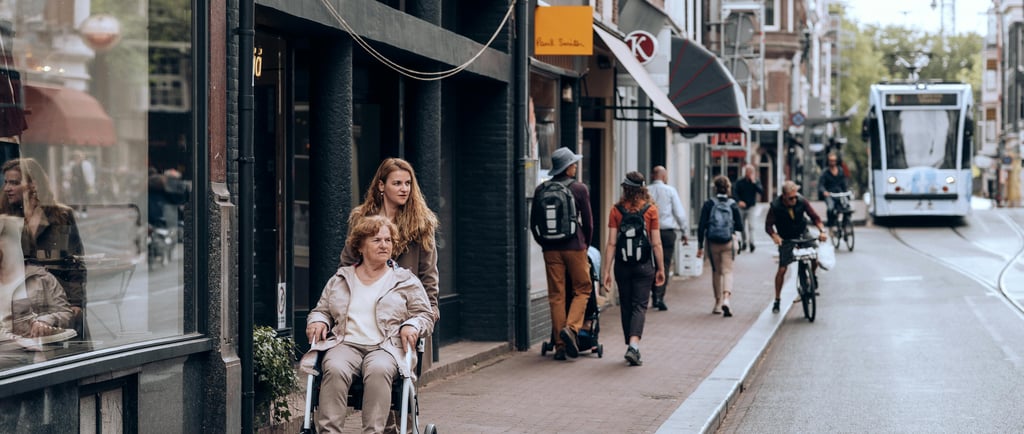
The concept of wheelchair-friendly heritage routes represents a significant and necessary evolution in cultural tourism, moving beyond simple accessibility checklists to create deeply considered, seamless journeys through history. These are carefully curated pathways that connect historically significant sites, from ancient city centers and museums to stately homes and public monuments, ensuring that individuals who use wheelchairs can experience a destination’s narrative without encountering the traditional barriers of uneven cobblestones, restrictive doorways, or absent facilities. For travel agents, developing and promoting these specialized routes opens a substantial and growing market segment, demonstrating a commitment to inclusive travel that resonates powerfully with modern consumers. It transforms an agent’s role from a simple booking service to that of a specialist curator, building loyalty and trust with clients who have often been underserved. This expertise allows agents to craft comprehensive packages that include accessible transportation, pre-vetted accommodations, and detailed navigational guidance, thereby creating higher-value, longer-duration itineraries that command premium planning fees and reduce the anxiety of unforeseen obstacles for their clients.
For people in general, the benefits of these heritage routes are profound and multifaceted. They empower individuals with mobility impairments to exercise their fundamental right to cultural participation and education, fostering independence and enriching personal connection to shared human history. Furthermore, these routes inherently improve the experience for a much wider audience, including elderly travelers, families with strollers, or those with temporary injuries, proving that inclusive design universally elevates the quality of a destination. The social impact extends beyond the practical, challenging societal perceptions and encouraging heritage site managers to undertake meaningful renovations that preserve authenticity while removing barriers. When a historic cathedral installs a discreet ramp or a centuries-old museum provides a tactile tour, it sends a powerful message of welcome. Ultimately, booking a wheelchair-friendly heritage route is an investment in a more equitable and dignified travel experience. It ensures that the stories embedded in stone, artifact, and landscape are available to all, allowing every traveler to become part of the continuing story of a place, rather than a spectator excluded from its chapters. This approach does not dilute the historical experience but rather enhances it by ensuring its relevance and availability for generations to come, making our collective heritage truly collective.